Advocates in Action:
The PALI Program
Millions of people in the United States live with asthma, allergies, and related health conditions. Yet, their voices are often missing from decisions that impact healthcare.
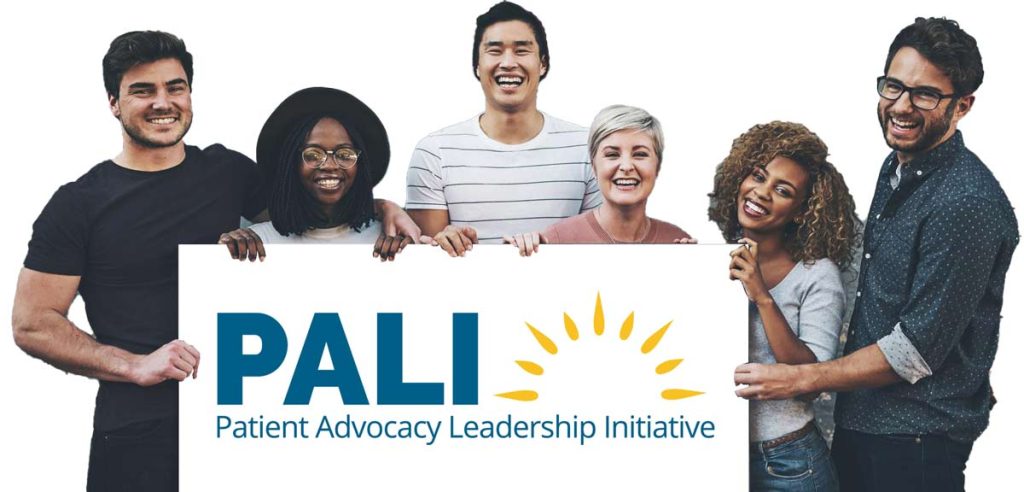
That’s why we created the Patient Advocacy Leadership Initiative (PALI). PALI gives patients, caregivers, and families the tools they need to speak up and get involved. They can help influence laws and shape policy decisions that impact healthcare, access to treatment, and quality of life.
Patient voices are needed now more than ever.
Changes in federal health policy can leave many people without insurance coverage. Funding cuts can impact programs that support asthma control, clean air, and research. On top of this, insurance barriers such as prior authorization and step therapy can make it harder and more costly for people to get the care they need.
Patients and their real-life experiences can drive change. We need these voices to help make sure people living with chronic conditions have the care and coverage they need to live full and healthy lives.
Ready to make a difference?
August 27, 2026 4pm ET: Surveys and Clinical Research
Can’t make the webinar? Sign up to get a copy of the replay. Or join our newsletter for Community of Patient Advocates.
What is PALI?
PALI is a national program that builds a strong community of patient advocates. These advocates learn how to speak with lawmakers and share their stories to shape better health policies at the local, state, and federal levels.
Our Goals
Why PALI Matters

How PALI Works
PALI offers simple, step-by-step support, so participants gain knowledge, confidence, and community as they grow into powerful advocates.

Training Workshops
Learn how laws are made and how you can make your voice count in policy discussions.
Skill Building
Get hands-on practice writing policy briefs, preparing public comments, and sharing your story in ways that inspire change.
Community and Networking
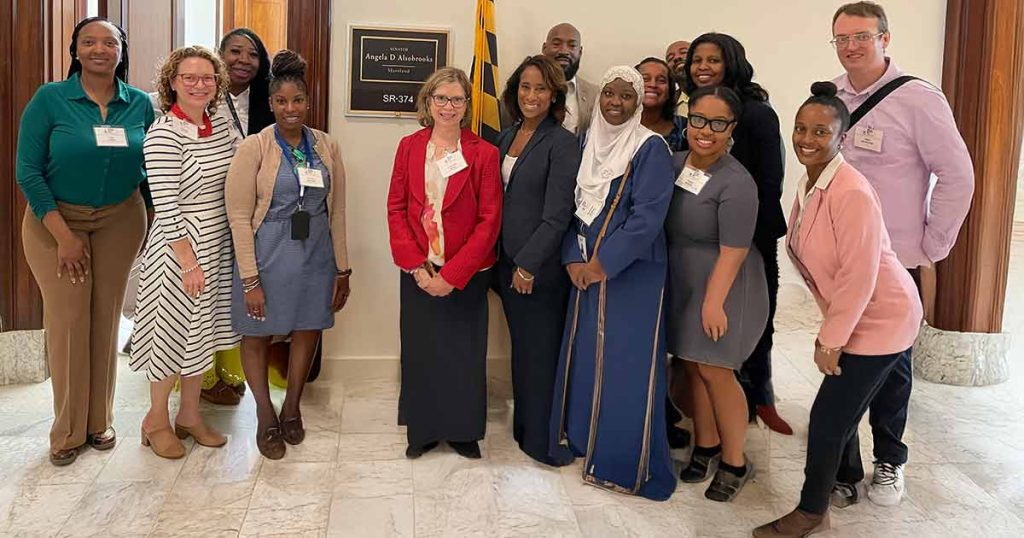
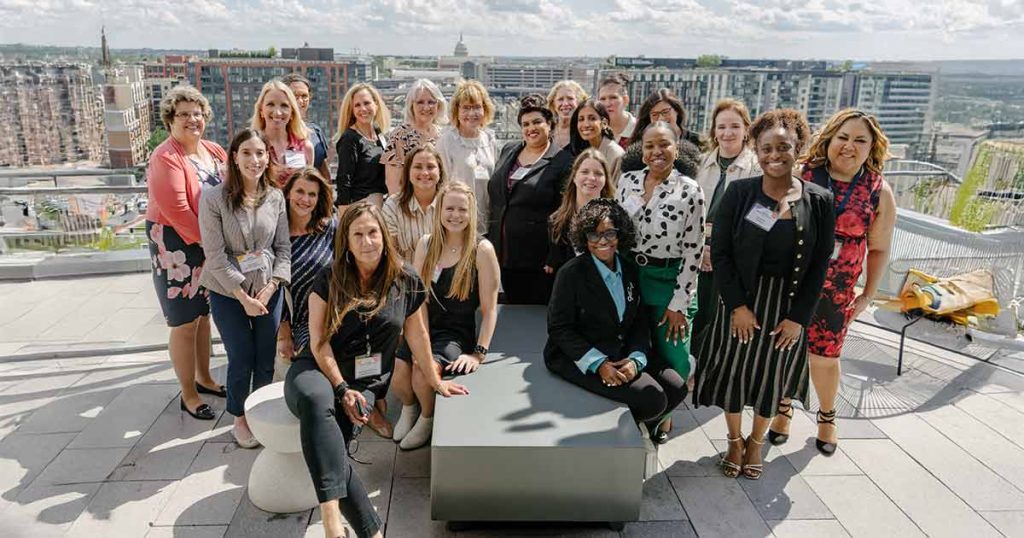
Meet other advocates and connect directly with lawmakers and policy leaders.

Personalized Action Plans
Create a plan for your advocacy work and get support all year long to stay active and informed.
How We’re Preparing Advocates
- Created an Advisory Committee of policy experts, patient leaders, and community advocates.
- Built a comprehensive training program for our first year.
- Planned a Virtual Info Session to welcome and inspire new advocates.
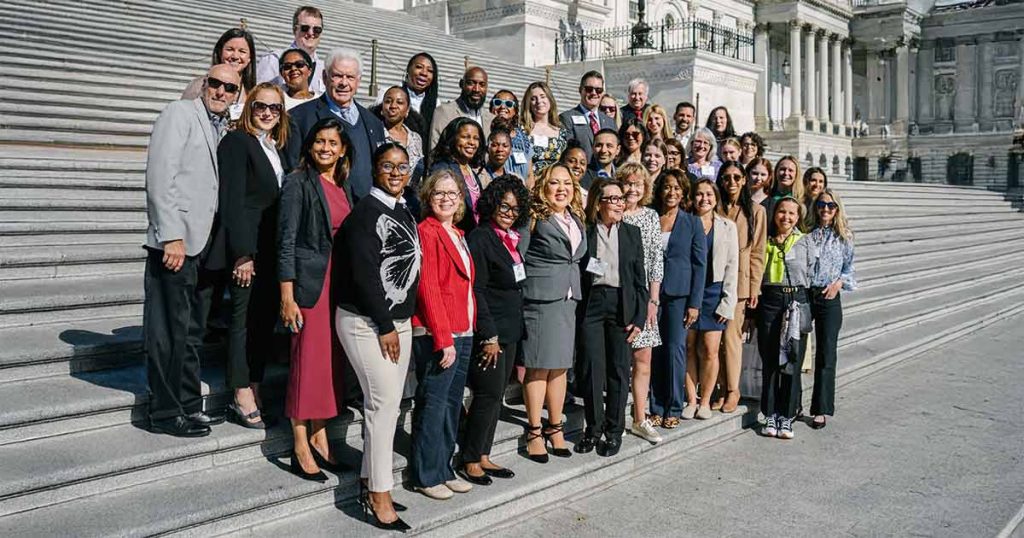
- Began preparing participants for Allergy & Asthma Day Capitol Hill (AADCH), our annual advocacy day every May in Washington, DC.

Celebrating Impactful Advocates
PALI will honor outstanding patient advocates who are making a real difference at the local, state, or national level. We believe recognition helps inspire others to get involved and lead meaningful change in their own communities.
How We Measure Success
- More trained advocates speaking up about policy
- Policy and healthcare changes influenced and informed by patient voices and lived experiences
- Increased confidence and advocacy skills in every participant
- More patient stories included in healthcare decisions
What Participants Are Saying

I never thought I could make a difference in Washington. Now, I’m helping shape laws that impact my family’s future.”
— PALI Advocate
I had no idea of the breadth of the inner workings of legislation and what it takes to ‘move a mountain’ to pass laws. Advocates can take a stance and move forward with using their energies to support those who are most vulnerable to changes.”
— Nina Ramirez, MD
I like having my voice heard on the bills that are important to me.”
— Laonis Quinn, RN, AE-C
Join the Movement
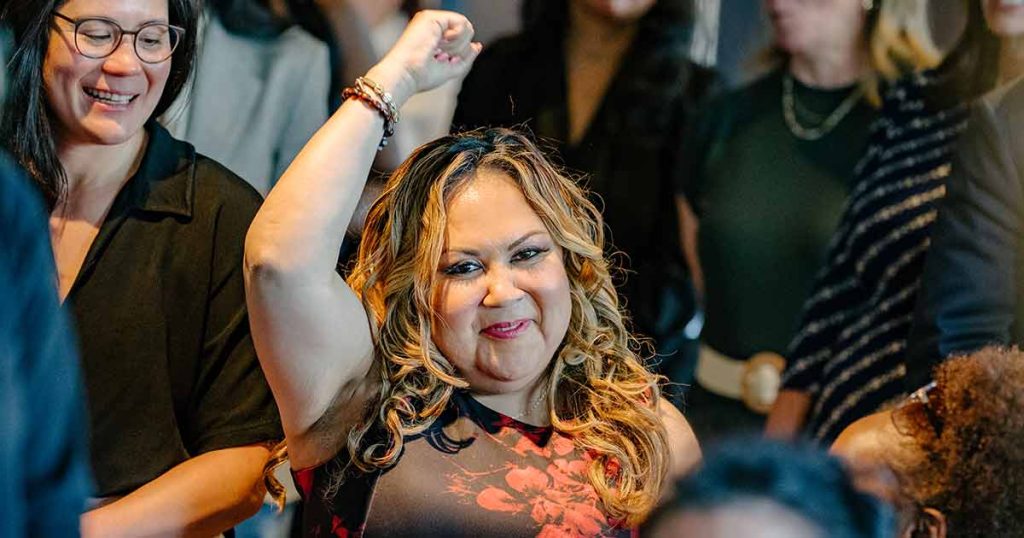
Whether you’re a patient, caregiver, or community member, PALI is your place to learn, lead, and be heard
Ready to make a difference?
August 27, 2026 4pm ET: Surveys and Clinical Research
Can’t make the webinar? Sign up to get a copy of the replay. Or join our newsletter for Community of Patient Advocates.
Allergy & Asthma Network | Elevating patient voices. Advancing policy. Changing lives.